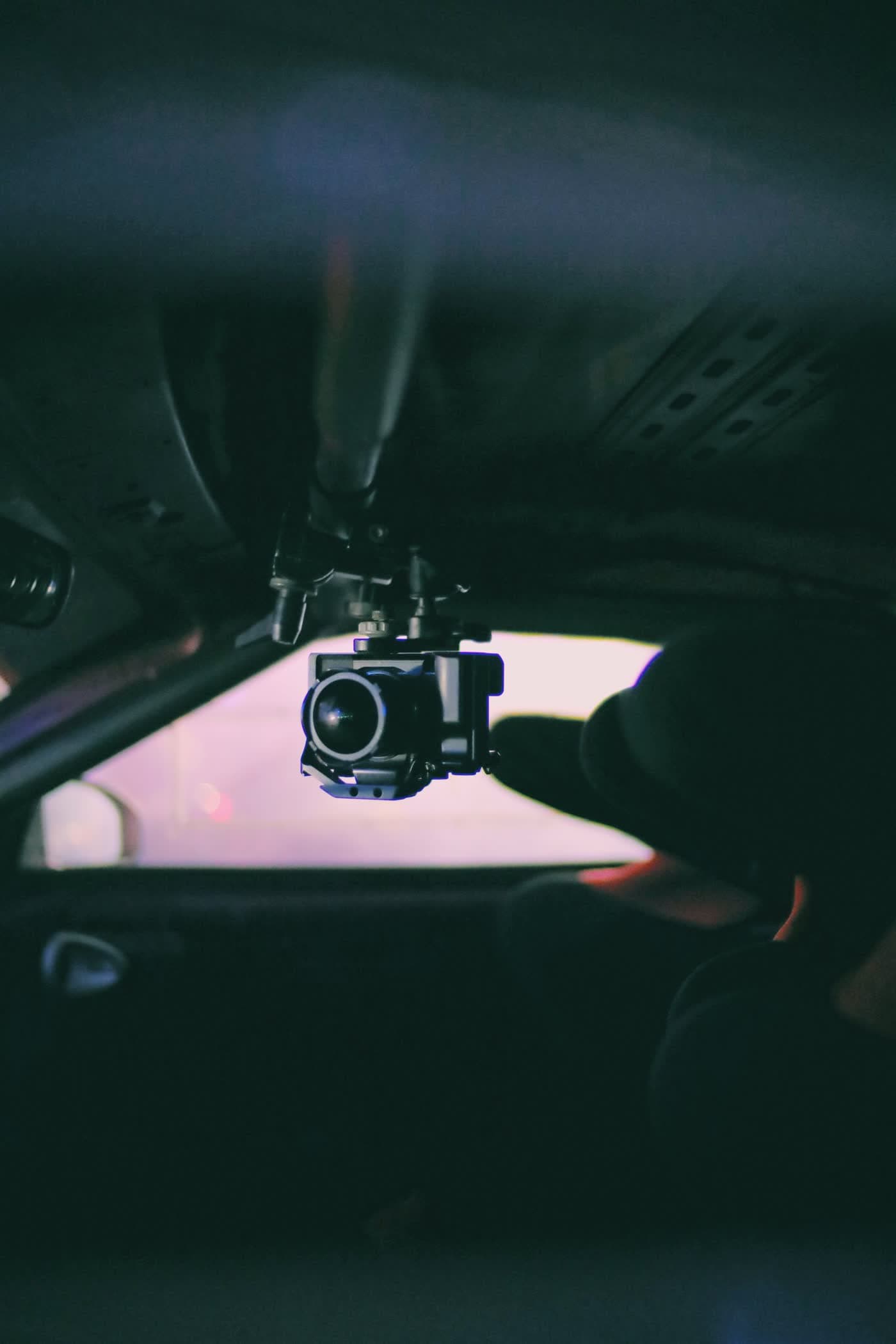
> TL;DR: For most Toronto drivers, a 2-channel (front + rear) dash cam with parking mode and a hardwire kit is the sweet spot. Prioritise a camera with good low-light performance, a capacitor (not a battery) for our temperature swings, and buffered parking mode. Buy the camera and the matching hardwire kit, then have it professionally installed for clean, hidden wiring.
Buying the Camera vs. Installing It — Two Different Decisions
This guide is about choosing which dash cam to buy. Once you've picked one, the install — clean hidden wiring, fuse-box hardwiring, and parking mode setup — is a separate step we cover in our dash cam installation guide. Getting the *purchase* right first means you only do the install once.
How Many Channels Do You Actually Need?
"Channels" = how many cameras record at once.
Single Channel (Front Only)
Records the road ahead. Covers front collisions and the most common at-fault disputes. Fine if budget is tight, but it misses everything behind you.
Two Channel (Front + Rear) — Recommended for most drivers
Adds a rear camera inside the back windshield. Covers rear-end collisions (you're rarely at fault, but you need proof), tailgaters, and parking-lot hits from behind. On busy GTA highways and stop-and-go traffic, this is the coverage that actually holds up in an insurance claim.
Three Channel (Front, Rear + Interior)
Adds a cabin-facing camera. Essential for rideshare and delivery drivers (Uber, Lyft, food delivery) who need documentation of passenger interactions, and useful for fleet vehicles or anyone transporting valuables.
| Your Situation | Recommended Channels |
|---|---|
| Daily commuter, tight budget | 1 (front) |
| Most Toronto drivers | 2 (front + rear) |
| Rideshare / delivery / fleet | 3 (front, rear + interior) |
The Features That Actually Matter in Toronto
Parking Mode (buy a camera that supports it)
Most parking-lot damage happens while you're not in the car. Parking mode keeps the camera monitoring when the ignition is off, capturing hit-and-runs, door dings, and break-in attempts. This is the single most valuable feature for city drivers — but it requires a hardwire kit (more below), so make sure the camera supports it before you buy.
Capacitor vs. Battery (this matters here)
Dash cams store power one of two ways. Capacitor-based cameras tolerate temperature extremes far better than battery-based ones — and Toronto swings from –25°C in February to +35°C in July. A battery-based camera can swell or fail in that range. For our climate, choose a capacitor camera, especially if you want reliable parking mode.
Resolution and Low-Light Performance
1440p (2K) is the current sweet spot — sharp enough to read plates without filling your SD card as fast as 4K. Just as important is low-light / HDR performance: a lot of Toronto driving is dark winter mornings and evenings, and a camera that blows out headlights or smears plates at night isn't doing its job. Look for HDR/WDR and a good night-mode reputation over raw megapixels.
Buffered Parking Mode + Battery Protection
Good parking mode uses buffered recording — the camera sits in low-power standby and saves a short pre/post-event clip when it detects motion or impact. This preserves your car battery and fills the SD card slower. Paired with a hardwire kit's voltage cut-off, it stops the camera from draining your battery below a safe threshold, so you don't wake up to a dead car.
GPS and SD Card
GPS stamps speed and location onto footage — useful for disputing fault. And buy a high-endurance microSD card rated for continuous recording (regular cards wear out fast under constant writes). Match the card capacity to your camera's max.
Do You Need a Hardwire Kit? (Almost Always Yes)
A hardwire kit connects the camera to your fuse box instead of a dangling 12V adapter.
| Feature | 12V Plug-In | Hardwire Kit |
|---|---|---|
| Clean, hidden install | ❌ | ✅ |
| Parking mode (records when off) | ❌ | ✅ |
| Battery protection (voltage cut-off) | N/A | ✅ |
If you want parking mode — and in a city like Toronto you do — you need the matching hardwire kit for your camera brand (usually $25–$50). Buy it at the same time as the camera so it's ready for your install appointment.
What We Recommend for a Typical Toronto Driver
After installing hundreds of cameras, the setup that satisfies most clients:
- 2-channel (front + rear) for full coverage
- Capacitor-based for our temperature swings
- 1440p front with strong HDR/night performance
- Buffered parking mode + matching hardwire kit
- GPS and a high-endurance microSD card
We install any major brand — Viofo, BlackVue, Thinkware, Garmin, Nextbase, Kenwood and others — so buy the camera that fits your budget and features, then bring it in. If you're unsure whether a specific model supports parking mode or which hardwire kit it needs, tell us the model when booking and we'll advise before you buy.
After You Buy: Professional Installation
Once you've got the right camera and kit, a professional install hides every wire through the headliner, A-pillar, and trim, hardwires it to the fuse box, and configures parking mode with battery protection — a clean, factory-look result instead of cables dangling across your dash. See exactly what's involved (and what to bring) in our dash cam installation guide, or book an install at our Etobicoke shop.
We serve drivers across the GTA including Mississauga, Brampton, Etobicoke, North York, and beyond.
---
Frequently Asked Questions
What's the best dash cam setup for Toronto?
For most drivers: a 2-channel (front + rear) capacitor-based camera with 1440p front resolution, strong night performance, buffered parking mode, and a hardwire kit. Rideshare drivers should add an interior channel.
Do I need parking mode?
If you park on the street or in public lots — which is most of the city — yes. Parking mode captures hit-and-runs and vandalism while you're away, and it's the feature clients are most glad they got.
Should I buy a battery or capacitor dash cam?
Capacitor, for Toronto's climate. Battery-based cameras can degrade or swell in extreme cold and heat, and are less reliable for parking mode.
Do you sell the cameras, or just install them?
We're a labour-only install service — you buy the camera and hardwire kit that fit your needs, and we provide the clean, hidden professional installation. Tell us your model when booking and we'll confirm compatibility.
Do you install dash cams near Mississauga and Etobicoke?
Yes — our shop is in Etobicoke at 222 Evans Ave., easily reached from Mississauga, Brampton, and across the GTA.
---
📍 Advanced Vehicle Guard | 222 Evans Ave., Etobicoke, ON M8Z 1J8 | (647) 874-7318
Book Dash Cam Installation · Dash Cam Installation Guide · View All Other Services