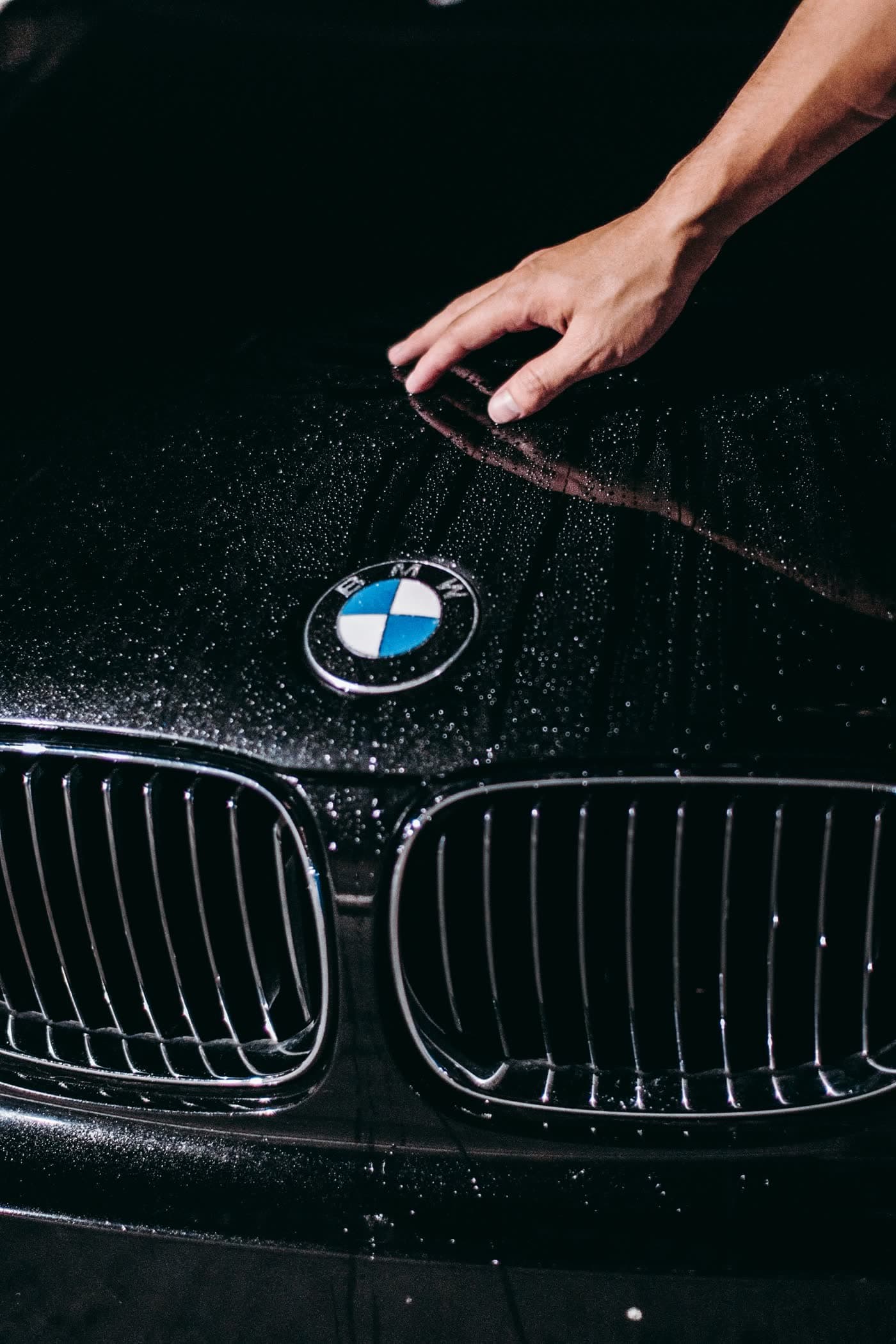
> TL;DR: Wash PPF the same way you'd wash a ceramic coated car — two-bucket method, pH-neutral shampoo, microfibre mitt. Avoid high-pressure washing directly at film edges, solvent-based cleaners, and abrasive products. The self-healing top coat handles light marks on its own. Annual decontamination extends the film's life toward its 10-year rated lifespan.
What PPF Is Made Of — and Why It Matters for Maintenance
Paint protection film is a multi-layer urethane film bonded to your paint. From outside to inside:
1. Clear coat layer — the outermost surface, often with self-healing properties
2. Polyurethane core — the impact-absorbing layer that takes chips and scratches
3. Pressure-sensitive adhesive — bonds the film to the paint
4. Release liner — removed during installation
The self-healing clear coat is a gel-like layer that flows back to its original shape when heated — light surface marks in the film disappear with heat from sunlight or warm water. This is what makes PPF different from a standard wrap.
Maintaining PPF properly protects this top coat and the adhesive layer underneath.
Washing PPF: The Right Approach
Use the two-bucket method — exactly the same as washing a ceramic coated car. One bucket of clean soapy water, one rinse bucket, grit guards in both. Wash top to bottom, panel by panel, rinsing your mitt after every panel.
Use a pH-neutral car shampoo — avoid alkaline degreasers, dish soap, and "strip wash" products that are designed to remove waxes and sealants. These can degrade the film's top coat over time.
Use a foam cannon for the pre-rinse — if available, a foam pre-wash lifts the bulk of dirt chemically before you touch the surface, reducing contact marring on the film.
Rinse thoroughly — make sure all shampoo is removed before drying.
Dry with clean microfibre — same as with coated paint. Don't let the car air dry.
What to Avoid
High-pressure washing at film edges — PPF is installed with edges tucked into gaps where possible, but some edges are exposed. Directing a pressure washer nozzle directly at an edge can force water under the film and lift it. Keep the nozzle moving and maintain at least 30–40 cm distance. This is the most common cause of premature edge lifting.
Solvent-based cleaners — products containing acetone, paint thinner, or high concentrations of isopropyl alcohol can damage the film's top coat or compromise the adhesive at edges. Stick to PPF-safe or pH-neutral products.
Petrol and diesel — fill your car carefully. Petrol spills on PPF can be cleaned off quickly with a damp cloth — the key is prompt removal. Don't let fuel sit on the film.
Automatic brush car washes — brushes scratch the film's top coat. The self-healing layer recovers from light swirls with heat, but repeated brush contact accelerates wear. Use touchless or hand wash only.
Wax with micro-abrasives — some traditional waxes contain light abrasives. These won't damage the film immediately but degrade the top coat over time. Use PPF-safe detailer or ceramic coating maintenance spray instead.
The Self-Healing Top Coat
Most quality PPF products have a self-healing top coat. Here's how to activate it:
Sunlight — on a warm day, leaving the car in direct sunlight for 20–30 minutes will heal light surface marks on the film naturally.
Warm water — pouring warm (not boiling) water over the film surface activates the healing. The mark should flow back within a minute or two.
Heat gun — for deeper marks or in cold weather, a heat gun on low setting passed over the mark from a distance accelerates healing. Don't hold the heat gun in one spot.
Note: the self-healing layer heals the film surface, not the paint underneath. Physical impacts — stone chips, deep scratches — are absorbed by the film core but don't disappear. That's the point — the film took the hit so the paint didn't.
Bug Splatter and Bird Droppings
Remove these promptly. Bug splatter and bird droppings are acidic and can etch the film's top coat if left in place — especially in summer heat. A damp microfibre cloth and a spray of pH-neutral detail spray is enough to remove fresh deposits. For dried, hardened splatter, soak with a damp cloth for a few minutes before wiping.
Annual Maintenance
Once a year, a professional decontamination detail is recommended:
- Iron fallout removal — iron particles from brake dust embed in the film surface and cause orange-brown spots over time if not removed
- Clay bar or decontamination solution — removes embedded contamination that regular washing leaves behind
- Inspection — we check edges for lifting, adhesion quality, and any areas that need attention
An annual visit extends the film lifespan significantly. PPF is rated to last 8–12 years; films that receive proper maintenance regularly hit the upper end of that range.
PPF + Ceramic Coating Topcoat
Many clients have a ceramic coating applied over their PPF — this is a popular combination that adds hydrophobic properties to the film surface. If your PPF has a ceramic topcoat, follow the ceramic coating maintenance guidelines for washing (see our ceramic coating care guide).
---
Frequently Asked Questions
Can I wax my PPF?
A carnauba wax won't harm the film, but it offers no meaningful benefit either — it doesn't bond to the urethane surface. Use a PPF-safe detailer or ceramic maintenance spray instead if you want to boost gloss between washes.
My PPF has yellowed at the edges — is this normal?
Some older or lower-quality films can yellow over time from UV exposure. Quality PPF used today has UV inhibitors in the film to prevent this. If yellowing is visible, it may be time for a film inspection and potentially replacement in affected areas.
How do I know if a film edge is lifting?
Edge lifting usually starts as a very fine gap between the film and the paint at a corner or body line. If you notice it early, it can often be re-adhered without replacing the entire panel. Bring it in promptly — water ingress under a lifted edge can make the situation worse.
Can I book an annual PPF inspection at Advanced Vehicle Guard?
Yes — whether your film was installed by us or elsewhere, we can inspect the condition and advise on any areas that need attention. Book online to schedule.
---
📍 Advanced Vehicle Guard | 222 Evans Ave., Etobicoke, ON M8Z 1J8 | (647) 874-7318
Book a PPF Maintenance Appointment · Learn About Our PPF Service · Read: How to Wash a Ceramic Coated Car